
Will Visa's Stablecoin Platform Change Who Controls Digital Dollars?
Visa is moving from accepting crypto payments to powering stablecoin issuance and settlement.


Key Takeaways
- Visa is moving from accepting crypto payments to powering stablecoin issuance and settlement.
- Open USD places Visa inside the competition with Circle, Tether, and tokenized bank deposits.
- Users do not need to choose a winner if their wallet supports multiple stablecoins and chains.
Visa has spent years helping crypto enter traditional payment networks. Its latest move goes further: the company now wants to help financial institutions create and operate stablecoins themselves.
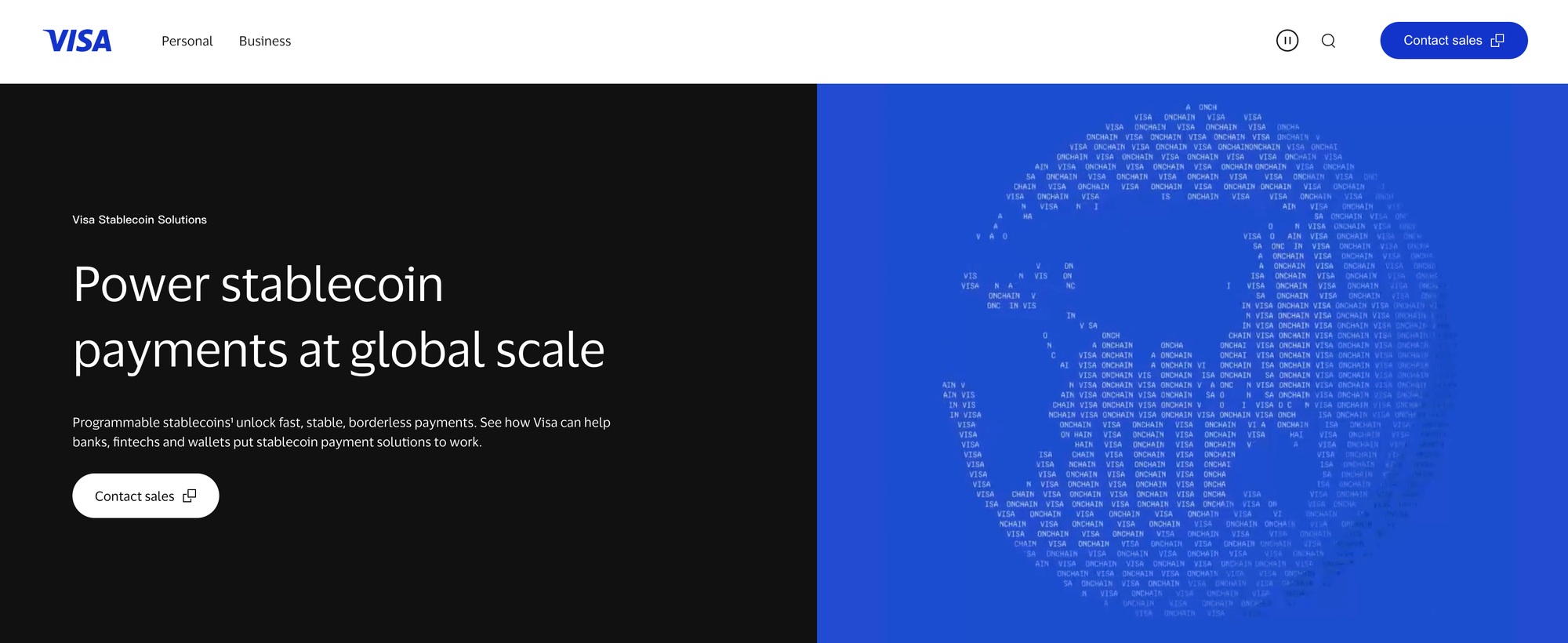
On July 16, Visa announced the Visa Stablecoin Platform: VSP.
The beta product lets banks, fintechs, and crypto platforms mint, burn, hold, transfer, and redeem stablecoins from one managed environment. It initially supports Open USD, a dollar-pegged stablecoin developed by the Open Standard consortium.
That changes Visa's position in the market. It is no longer only the network that connects crypto cards with merchants. It is moving closer to the infrastructure layer where digital dollars are issued, controlled, and settled.
What does Visa's stablecoin platform actually provide?
Most financial institutions do not want to build a blockchain operation from the ground up. They would need wallet systems, transaction controls, private-key policies, compliance procedures, and connections to existing treasury and payment systems.
VSP packages those functions together. Visa says the platform includes wallet infrastructure, bank-account connections, approval workflows, audit logs, passkeys, and transfer allow lists. These features are designed for institutional use cases such as:
- Treasury management
- Payment settlement
- Liquidity movement
- Embedded financial products
The significance is operational. Visa is trying to make stablecoins easier for regulated institutions to use without requiring them to become blockchain infrastructure companies.
Why is Open USD important to Visa's strategy?
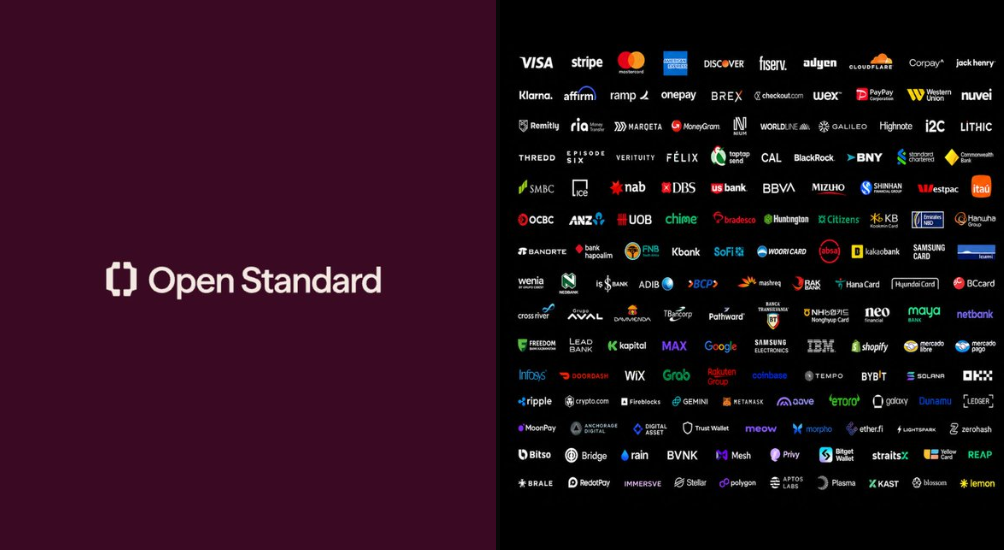
Visa could have launched the platform by supporting only established stablecoins such as USDC or USDT. Instead, it is starting with Open USD, a new asset connected to a consortium that includes Visa, Mastercard, BlackRock, Coinbase, Google, and more than 140 firms.
Open USD is expected to offer zero minting and redemption fees, while reserve income is shared with partners. That gives the platform a different commercial model from existing issuers and gives Visa a role in the stablecoin's operating environment rather than simply providing payment access to another company's token.
This puts three models into competition:
- Crypto-native stablecoins, led by issuers such as Circle and Tether.
- Tokenized bank deposits, developed within traditional banking systems.
- Payment-network stablecoins, where companies such as Visa provide the distribution, compliance, and operational rails.
Visa's advantage is its existing network. The company works with approximately 15,000 financial institutions and more than 200 million merchants, and it reportedly settles around $15 trillion in payments annually. Its stablecoin settlement activity had already reached a $7 billion annualized run rate across nine blockchains by April 2026.
Does this mean stablecoins are becoming mainstream money?
The timing suggests that the industry has moved beyond experimentation. Visa's announcement came just before the first anniversary of the GENIUS Act and shortly after renewed attention around tokenized bank deposits. At the same time, stablecoin circulation has surpassed $300 billion, while monthly transaction activity continues to reach record levels.
The next phase will not be decided by technology alone. Institutions will compare reserve quality, redemption access, compliance requirements, fees, chain support, and merchant acceptance. A stablecoin may be reliable on paper but still difficult to use if it is limited to one network or one financial ecosystem.
For everyday users, that creates a new problem: stablecoin choice may increase faster than wallet flexibility. You may not need to replace USDC or USDT simply because Visa introduces Open USD.The more useful question is whether your wallet can manage several assets across the chains where they operate.
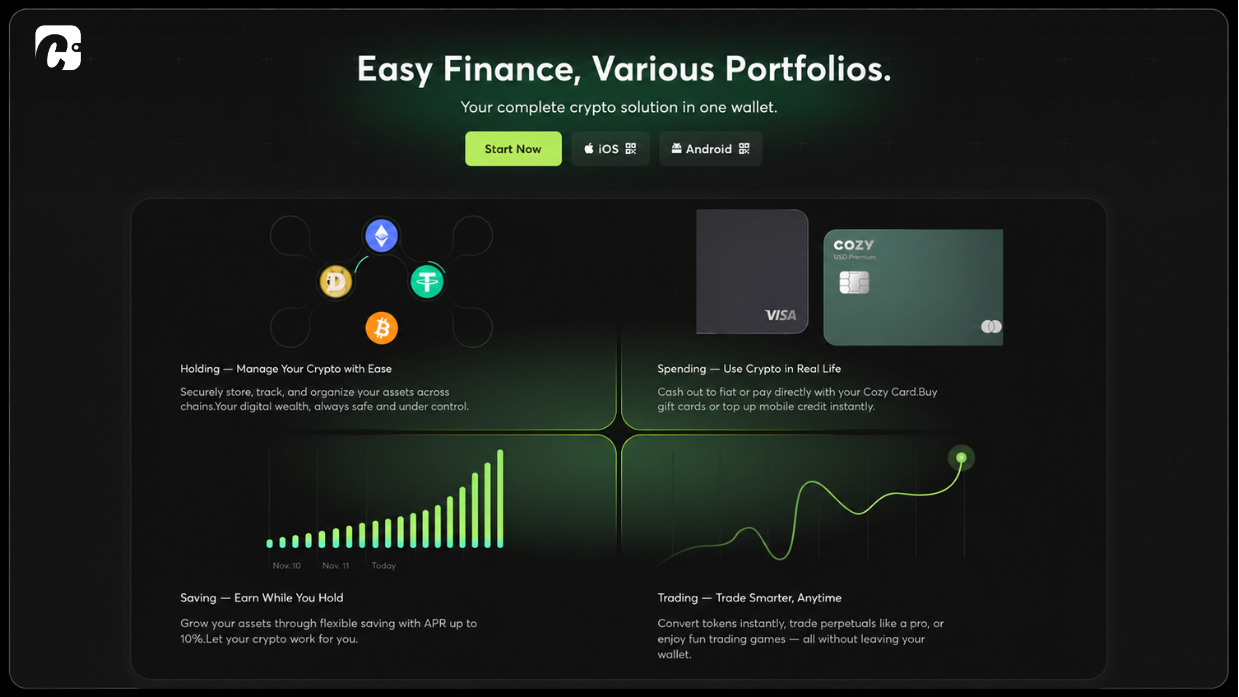
Cwallet is designed around that multi-issuer, multi-chain reality. Its Cozy Card runs across Visa and Mastercard networks, allowing users to spend supported crypto assets without waiting for one stablecoin to dominate. Its wallet supports assets across Ethereum, Solana, Arbitrum, and more than 50 other blockchains.
In practice, Visa is expanding the payment rails while Cwallet gives users one place to manage and spend assets moving across those rails.
What should crypto users watch next?
Visa's launch is still in beta, so adoption will depend on early institutional customers, regulatory implementation, and whether Open USD gains meaningful liquidity. The most important signals will be:
- Which banks and fintechs begin using VSP
- Whether Visa adds USDC, USDT, or other stablecoins
- How widely Open USD is distributed
- Whether VSP expands beyond treasury and settlement functions
The broader direction is already visible. Stablecoins are becoming financial infrastructure, and payment networks are moving downward from merchant acceptance into issuance and settlement. Users do not need to predict the final winner today. They need the flexibility to use whichever digital dollars become useful tomorrow.
📖 Related reads:
Why Stablecoins Are Becoming the Backbone of Crypto Finance in 2026
The Real Legacy of Bitcoin Pizza Day: Crypto Payments Still Aren't Solved
Summary
Visa's Stablecoin Platform signals a shift from crypto payment acceptance to stablecoin infrastructure. By helping institutions issue, manage, and settle digital dollars, Visa is positioning itself between crypto-native issuers and traditional banks.
Open USD gives that strategy an initial asset, but the larger competition will involve compliance, liquidity, chain coverage, and merchant access.
For crypto users, the practical advantage comes from flexibility: a multi-chain wallet and a payment card that can work across competing stablecoin ecosystems reduce the need to choose a winner too early.
Cwallet: Your All-in-One Crypto Solution
Cwallet allows you to store, trade, and manage 1,000+ cryptocurrencies across 60+ blockchains, offering flexibility for both Spot Trading and Futures Trading. With features like Perpetual Trading, Cozy Card, and more, Cwallet empowers you to make the most of your crypto journey.
Join the Community & Earn More
Trade daily, earn more. Cwallet's Telegram and Discord communities host regular trading challenges across Market Battle, Trend Trade, 1001X, and Tap Grid, with extra rewards waiting for active participants.
👉 Join us on Telegram or Discord to participate in ongoing events and claim your rewards.
Official Links
Official Site: https://cwallet.com
X: https://x.com/CwalletOfficial
Disclaimer
This content is for informational purposes only and does not constitute financial advice. Crypto assets are volatile, and all investment decisions should be based on your own research (DYOR). Cwallet assumes no liability for any losses.