What Is a Crypto Phone? Everything You Need to Know About Blockchain Smartphones
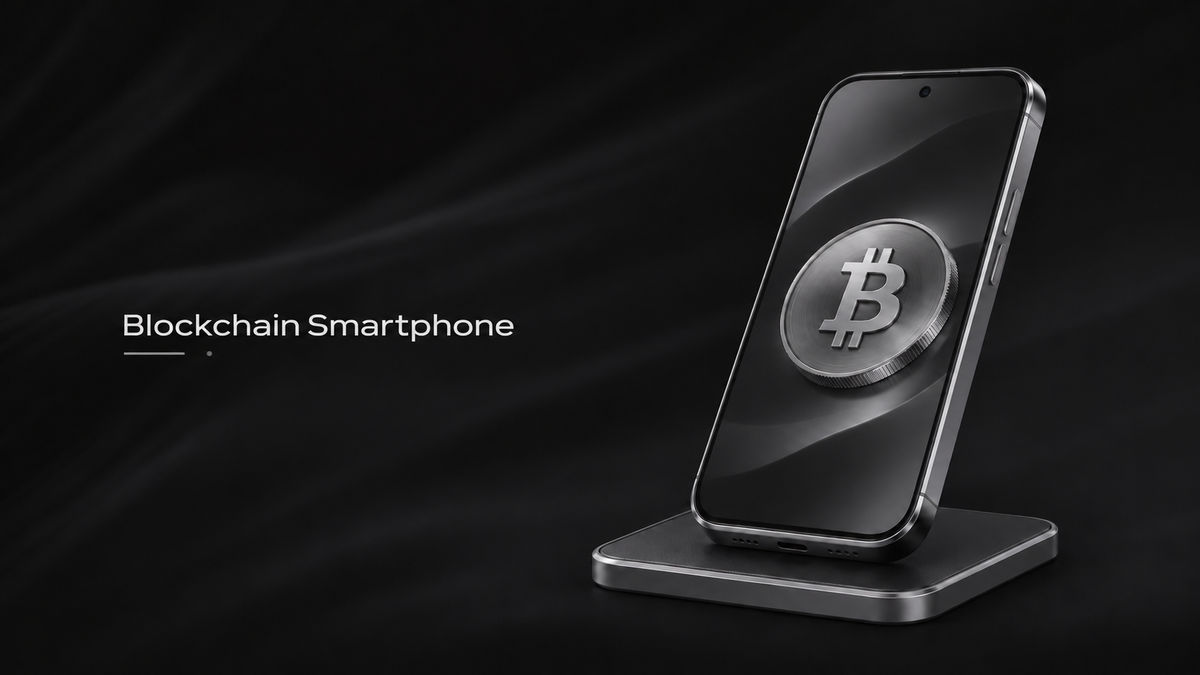
A crypto phone is a smartphone with built-in features for cryptocurrency and Web3 applications. Often called blockchain smartphones, these devices may offer integrated wallets, hardware-protected key storage, and access to decentralized apps (dApps).
Unlike regular smartphones that mainly rely on downloaded crypto apps, some crypto phones integrate these features more closely with the device's hardware and software. However, capabilities vary by model, and the "crypto phone" label does not represent a universal security standard.
Here, we focus on blockchain smartphones — not phones designed primarily to encrypt calls and messages, which are also sometimes called cryptophones.
So, how do these devices work, and do you actually need one?
How Do Blockchain Smartphones Work?
Blockchain smartphones combine everyday mobile functions with tools for managing digital assets and interacting with blockchain applications. Depending on the device, these tools may help users access wallets, approve transactions, or discover dApps.For example, Solana Seeker combines Seed Vault key protection, Seed Vault Wallet, and access to the Solana dApp Store. It illustrates how a crypto smartphone can bring hardware security and a dedicated application ecosystem together.
The important distinction is between the phone and the wallet. A device may provide security features, but the wallet you use determines how transactions are managed and whether you or a service provider controls the private keys.
Key Features That Make a Crypto Phone Unique
Not all crypto phones offer the same capabilities. Features to compare include:
- Hardware-protected key storage: Some models use secure hardware or isolated environments to protect private keys. This should not automatically be described as offline cold storage.
- Integrated wallets: Built-in wallet software can make it easier to view assets and authorize transactions.
- dApp access: Dedicated app stores or wallet integrations can simplify access to blockchain applications.
- Transaction authentication: Depending on the device, PINs or biometric authentication may be used to approve wallet actions.
- On-chain identity and ecosystem features: Some devices provide identity tools, app access, or rewards linked to a specific blockchain ecosystem.
Before choosing a device, check which features are actually included rather than assuming every blockchain smartphone provides the same protections or supports the same networks.
Why Some Users Choose Crypto Smartphones
A crypto smartphone may appeal to users who frequently interact with a particular blockchain ecosystem and want its wallet and application tools integrated into their phone.
For example, access to a dedicated dApp store or hardware-backed wallet interactions may be useful to someone who regularly uses those features. Solana Mobile brings these elements together within its device ecosystem.
However, extra integrations are only valuable if you need them. Compare the device's supported applications, key-management approach, and everyday usability with what you can already do on your current phone.
Ecosystem rewards should also be treated separately from the phone’s practical value. Consider the device for its capabilities rather than assuming incentives will justify the purchase.
Do You Really Need a Crypto Phone, or Is a Wallet App Enough?
You do not need a dedicated crypto phone to use cryptocurrency. A regular smartphone with a compatible wallet app or custodial service can support many everyday crypto activities.
Start by separating two decisions:
- Device choice: Do you need the hardware features or application ecosystem of a particular blockchain smartphone?
- Custody choice: Do you want to manage your wallet’s keys and recovery information yourself, or use a custodial service?
Cwallet provides a custodial wallet experience, where the service manages private keys on the user's behalf. This differs from a self-custody wallet, where responsibility for keys and recovery information rests with the user.
A crypto phone and Cwallet therefore address different needs: one is a device, while the other is a wallet service. You do not need to buy specialized hardware simply to choose a custodial wallet.
If you are considering a crypto phone, focus on the specific features you will use — not just the amount of cryptocurrency you hold.
Crypto Phones Are an Option, Not a Requirement
Blockchain smartphones offer another way to access cryptocurrency and Web3 applications. Their value depends on the device’s actual capabilities and how well those capabilities match your needs.
Before buying one, compare its wallet integrations, key protection, supported applications, and recovery requirements. Hardware-backed security does not make every wallet interaction risk-free or automatically turn the phone into an offline wallet.
If your main goal is to manage crypto through a custodial service such as Cwallet, focus on the service's functions and custody model rather than assuming you need a new phone.

Common Questions About Crypto Phones
How are blockchain smartphones different from regular smartphones?
Blockchain smartphones add a dedicated wallet, key protection, or Web3 integrations. Regular smartphones can also run crypto apps, so a dedicated device is optional.
Are crypto phones the same as encrypted phones?
Not necessarily. Here, crypto phones mean blockchain-focused devices. Encrypted phones primarily protect calls and messages, so the terms can describe different products.
Is a crypto smartphone the same as a hardware wallet?
No. A crypto smartphone may include hardware-backed key protection, but that does not automatically make it an offline wallet or give it the same design as a dedicated hardware wallet.
Do I need a blockchain smartphone to use Cwallet?
No. Cwallet is a custodial wallet service, not a device. You do not need a dedicated blockchain smartphone to use it.
Disclaimer: The information in this article is for educational purposes only and does not constitute financial advice, investment advice, trading advice, or any other sort of advice. High-leverage trading involves substantial risk of loss and is not suitable for every investor. Please perform your own due diligence and never invest money that you cannot afford to lose.