
What Do SEC Crypto Rules Mean for Crypto Investors?
The SEC canceled a meeting, then proposed Regulation Crypto Assets. Here is what the crypto rally may and may not mean.

Key Takeaways
- The SEC's new proposal offers a clearer path for some crypto projects, but it is not final law.
- The recent Bitcoin and altcoin rally was driven by policy optimism, liquidity, and short covering—not policy alone.
- Crypto Investors should follow rule details, deadlines, and implementation risks rather than headlines.
Crypto market sentiment improved sharply over the past week.
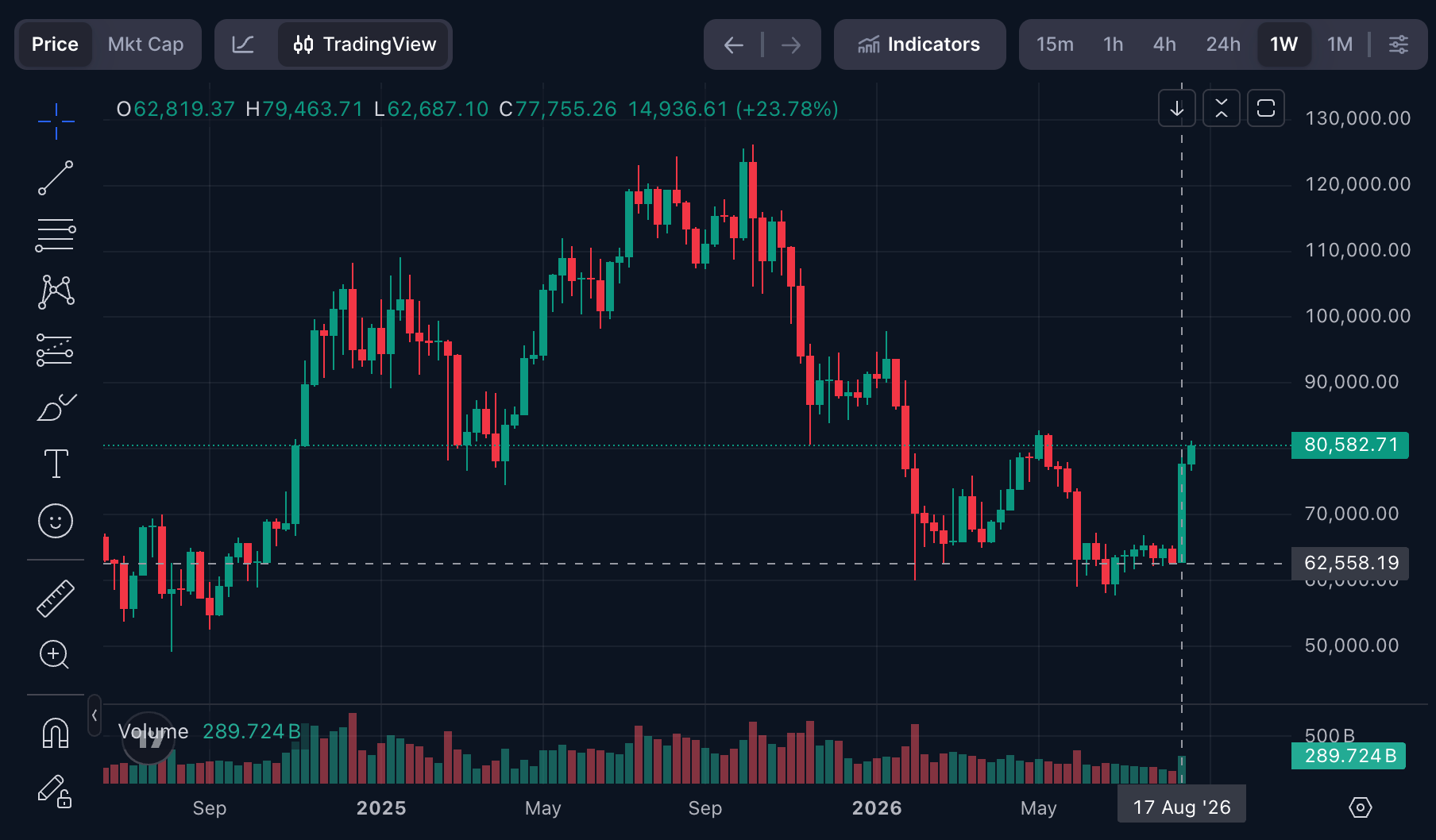
Bitcoin gained roughly 22%–23%, while $ZEC surged, $ENA nearly doubled, and meme coins returned to the spotlight. That raised a natural question: was this the beginning of a new altcoin season in August 2026, or simply a fast rebound in risk appetite?
The timing makes the question harder to answer.
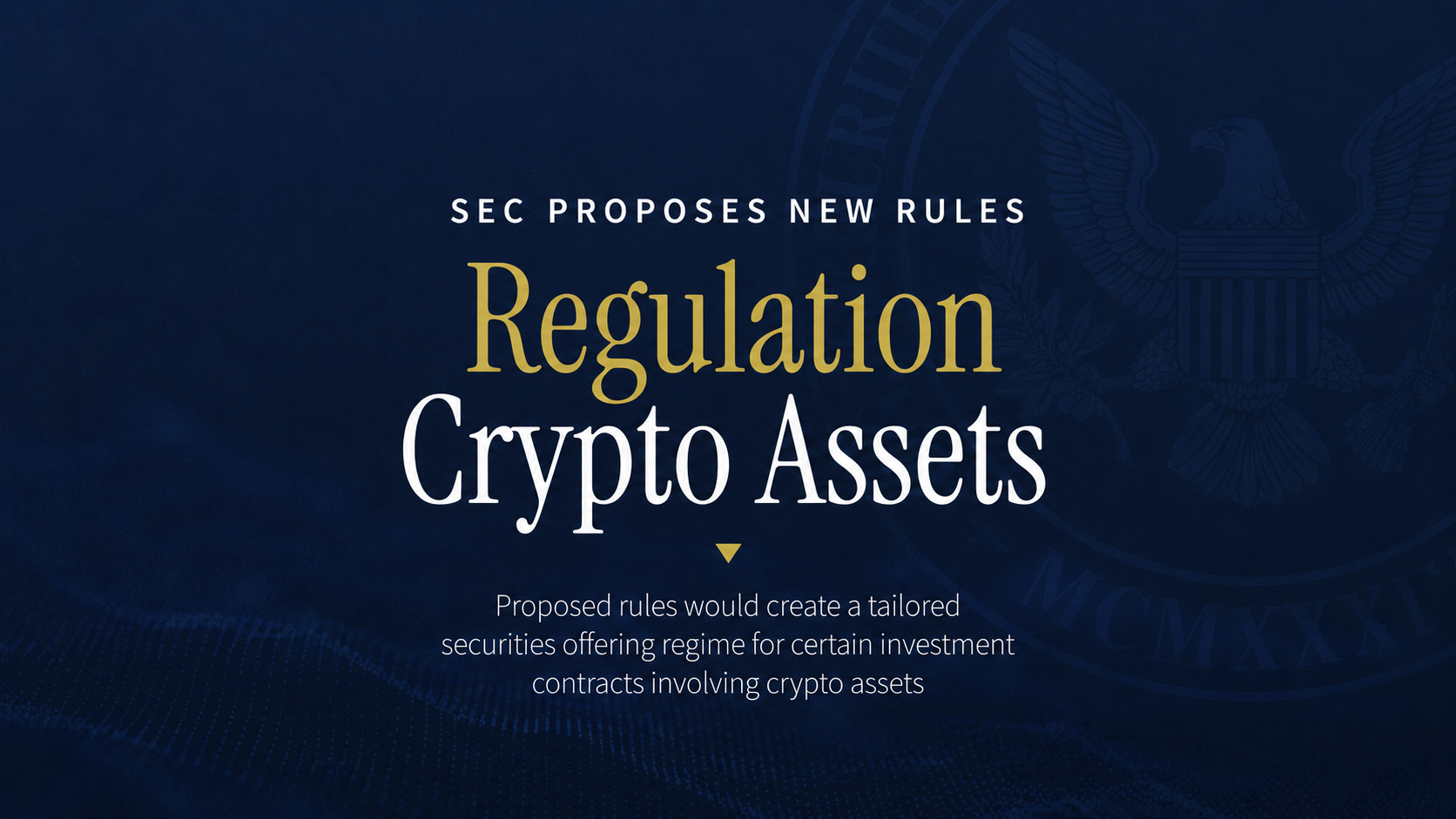
On August 14, the SEC canceled a scheduled public meeting because of an unforeseen scheduling issue. Four days later, without announcing a new meeting, it released Regulation Crypto Assets, its first dedicated proposal for crypto assets.
For Crypto Investors, the bigger question is whether the SEC is moving toward clearer rules and whether the rally can last beyond the headline.
Did the SEC Cause the Recent Crypto Rally?
The SEC announcement strengthened the regulatory-clarity narrative, but it was not the only reason prices moved. Reports also linked the rally to lower Treasury yields, increased government bond buybacks, and roughly $2.7 billion in liquidated short positions.
In simple terms, policy optimism improved sentiment, liquidity provided fuel, and short covering accelerated the move. The Bitcoin 23% weekly rally should therefore not be treated as proof that one SEC announcement caused the entire market to rise.
So, if the SEC's announcement was only one part of the rally, what can its latest policy shift actually tell Crypto Investors about the market ahead?
What Does Regulation Crypto Assets Actually Change?
For beginners, the most important point is that the proposal is a framework, not a finished rulebook. Its impact is easier to understand in three parts.
It Creates Possible Fundraising Exemptions
The proposal offers two potential registration exemptions for certain crypto projects:
- A smaller exemption for early-stage fundraising.
- A larger exemption with financial statements and continuing disclosure obligations.
Anti-fraud rules would still apply. In other words, the proposal could make compliant fundraising easier for some projects, but it does not remove the need for transparency or investor protection.
It Introduces a Conditional Crypto Safe Harbor
The proposal also includes a conditional crypto safe harbor. In simplified terms, a token could potentially move away from being treated as an investment contract after the issuer completes, or permanently stops, its core managerial commitments and can show that the network has become sufficiently decentralized.This could give projects a clearer process to work toward instead of relying only on enforcement decisions. But the conditions matter: not every token will qualify, and the proposal is not yet a final rule.
It Is Narrower Than Some Headlines Suggest
The proposal did not include the broad tokenization exemption that some market participants expected. Its focus is closer to crypto fundraising and network development than to immediately opening the door to tokenized stocks.
The takeaway is simple: the SEC may be moving toward clearer crypto rules, but the proposal is more limited than the most optimistic market narrative suggests.
What Should Crypto Investors Watch Next?
The next market move may depend less on the announcement itself and more on what happens during the rulemaking process. For Crypto Investors, the most useful approach is to follow the details, the timeline, and the market reaction separately.
Read the Conditions, Not Just the Headline
The key questions are:
- Which projects qualify for the proposed exemptions?
- What disclosures and reporting duties would apply?
- How would the SEC judge whether a network is sufficiently decentralized?
These details matter more than calling the proposal a “crypto-friendly SEC” shift. They will determine which projects may benefit and which may still face uncertainty.
Track the Policy Calendar
The public comment period is scheduled to close on October 20. Before a final rule appears, future SEC statements, the delayed tokenization discussion, and broader legislation such as the CLARITY Act may all change market expectations.
For traders, this means treating policy dates as potential volatility points, not as guaranteed market catalysts. A proposal can influence sentiment long before it becomes enforceable, while disagreements or delays can quickly weaken that sentiment.
📖 Related Read: CLARITY Act Countdown: What the July 17 Hearing and Ethics Standoff Mean for Crypto | Cwallet Blog
Separate Market Rotation from Structural Change
$ZEC, $ENA, and meme coins can outperform when liquidity and risk appetite return, but sharp price moves do not automatically confirm a lasting trend. A memecoin comeback may reflect rotation and leverage as much as fundamental change.
A simple checklist can help keep the signals separate:
- Policy signal: Is the rule becoming clearer?
- Market signal: Are liquidity and positioning supporting the move?
- Project signal: Does the individual asset have progress beyond price momentum?
For readers managing supported crypto assets while waiting for more policy clarity, Cwallet Simple Earn can provide an option for putting idle assets to work instead of leaving them unused. Availability, terms, asset support, and risks vary, and yield is not guaranteed. The purpose is asset management during an uncertain information cycle—not a suggestion to buy, sell, or follow any market move.
Conclusion
The latest SEC crypto regulation 2026 development is important because it signals a possible shift from case-by-case enforcement toward a clearer rule framework. But the recent rally had several causes, including liquidity and short covering.
For a practical crypto investor's guide to SEC rules, focus on the proposal's conditions, the comment deadline, and the difference between a policy proposal and a final rule.
In crypto, understanding what has changed and what has not can be more useful than reacting to the loudest headline.
Cwallet: Your All-in-One Crypto Solution
Cwallet allows you to store, trade, and manage 1,000+ cryptocurrencies across 60+ blockchains, offering flexibility for both Spot Trading and Futures Trading. With features like Perpetual Trading, Cozy Card, and more, Cwallet empowers you to make the most of your crypto journey.
Join the Community & Earn More
Trade daily, earn more. Cwallet's Telegram and Discord communities host regular trading challenges across Market Battle, Trend Trade, 1001X, and Tap Grid, with extra rewards waiting for active participants.
👉 Join us on Telegram or Discord to participate in ongoing events and claim your rewards.
Official Links
Official Site: https://cwallet.com
X: https://x.com/CwalletOfficial
Disclaimer
This content is for informational purposes only and does not constitute financial advice. Crypto assets are volatile, and all investment decisions should be based on your own research (DYOR). Cwallet assumes no liability for any losses.