EU Crypto Tax Reporting Starts in January: What It Means and Why It's Not the End of Crypto
MiCA and DAC8 aim to bring clarity and transparency, not fear.

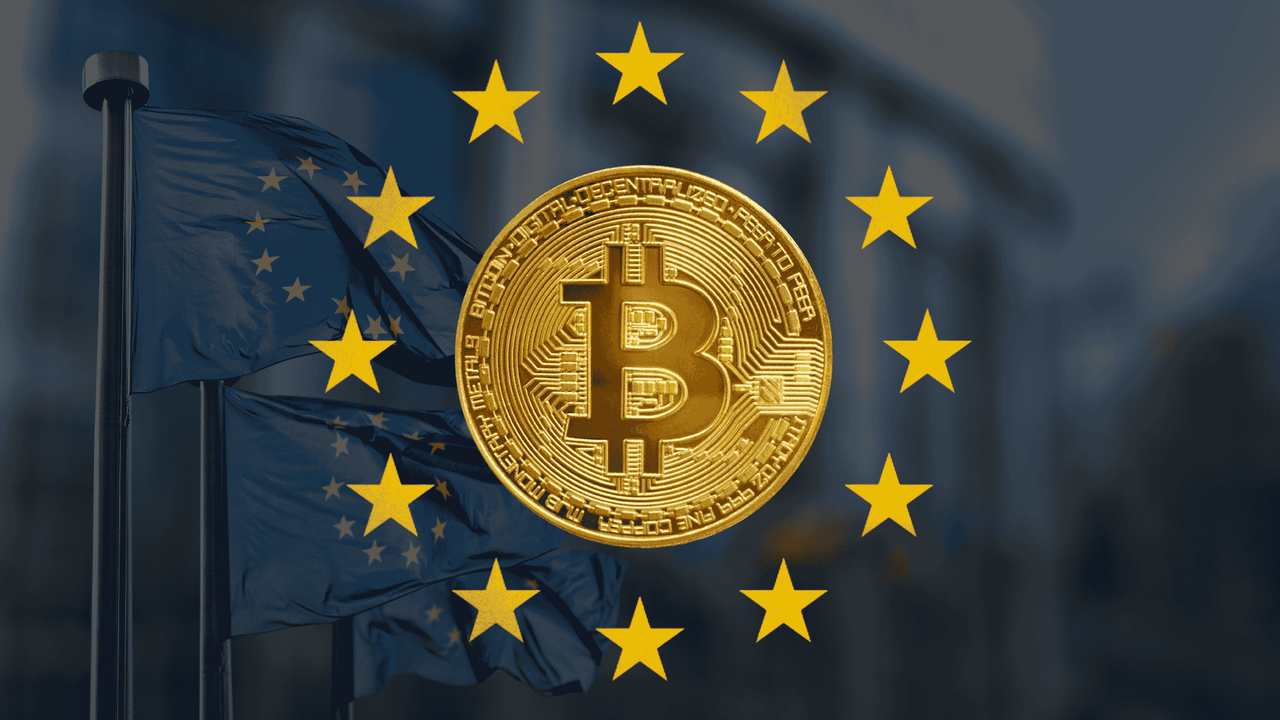
Key Takeaways
- DAC8 introduces crypto tax reporting, not a crypto ban.
- MiCA and DAC8 aim to bring clarity and transparency, not fear.
- Choosing compliance-focused platforms like Cwallet helps users navigate regulations with confidence.
Starting January, the European Union will officially roll out a new crypto tax reporting framework under DAC8, marking another major step in how digital assets are regulated across Europe. Headlines mentioning asset seizure and stricter enforcement have made some crypto users uneasy — especially beginners who are still learning how the system works.
But this shift isn't about banning crypto or shutting down Web3 innovation. Instead, it’s about transparency, reporting, and bringing crypto closer to existing financial rules. Understanding what’s actually changing — and what’s not — matters more than reacting to the headlines.
In this article, we'll break down what the new EU crypto tax rules mean, how MiCA fits into the picture, and why this move doesn't signal the end of crypto in Europe.
What Is DAC8 and Why Is the EU Introducing It?
DAC8 is an update to the EU's long-standing Directive on Administrative Cooperation, designed to improve tax transparency. Under this framework, crypto service providers operating in or serving EU users will be required to report certain user transaction data to tax authorities.
The goal is simple:aA crypto becomes more widely used, regulators want it to be treated less like an “unknown asset class” and more like other financial instruments.This doesn’t mean every wallet is suddenly under surveillance. DAC8 focuses mainly on centralized platforms and regulated intermediaries, not on banning crypto usage or forcing users out of the market.

What Does “Asset Seizure” Really Mean?
One phrase that sparked fear is the mention of potential asset seizure. In practice, this is not a new concept and doesn’t apply broadly to everyday crypto users.Asset seizure would only come into play in serious cases of tax evasion or non-compliance, similar to how authorities already handle traditional bank accounts. It’s not about punishing normal users for holding or trading cryptocurrency.
For most people, the change simply means that crypto activity will increasingly follow the same reporting logic as stocks, funds, or other digital assets.
How MiCA Fits Into the Bigger Picture
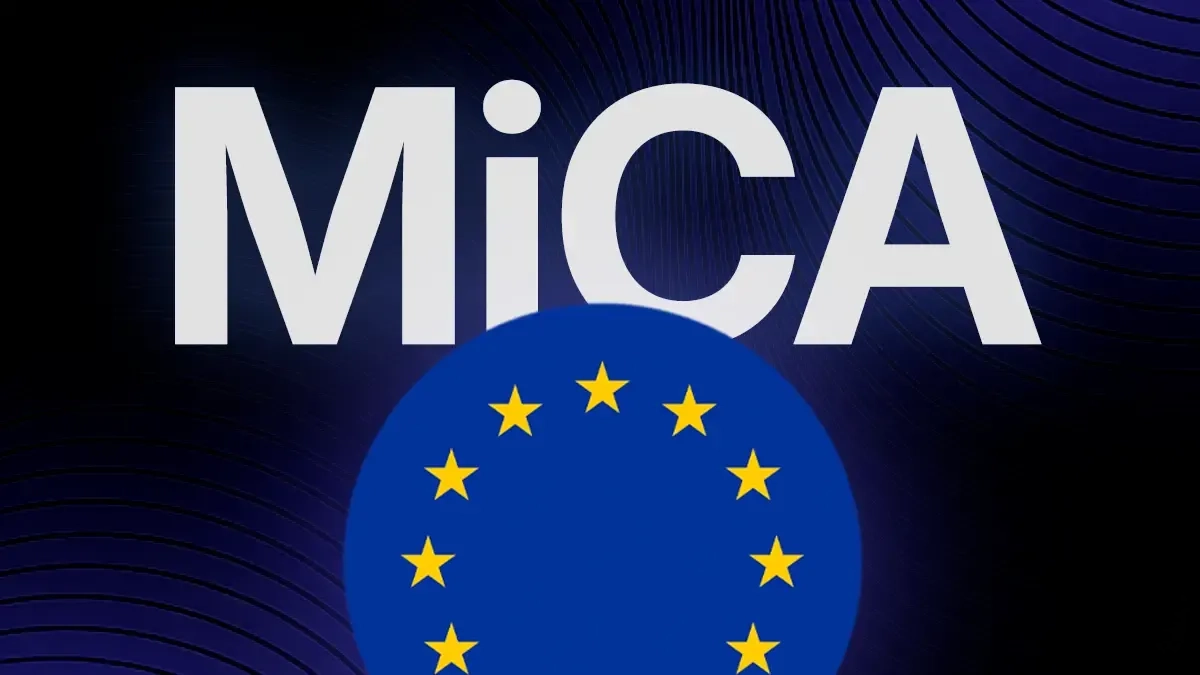
DAC8 works alongside MiCA (Markets in Crypto-Assets Regulation), the EU's broader regulatory framework for crypto.MiCA focuses on:
- Licensing crypto service providers
- Consumer protection
- Stablecoin rules
- Operational transparency
Together, MiCA and DAC8 aim to make crypto more structured, not less accessible. While this does add compliance requirements for platforms, it also creates clearer rules for users — especially beginners who want to participate safely.
What This Means for Everyday Crypto Users
For most retail users, daily crypto activities won't suddenly feel different. Buying, holding, swapping, or trading crypto remains legal and widely supported across the EU.
What’s changing is mostly behind the scenes:
- Platforms will handle more reporting
- Compliance standards will increase
- Transparency becomes the norm
This shift may even reduce long-term uncertainty by filtering out unreliable or non-compliant services.
Where Platforms Like Cwallet Fit In
As regulations evolve, choosing platforms that actively align with regulatory standards becomes increasingly important. Cwallet is working toward MiCA compliance, aiming to provide users with a more transparent and regulation-ready environment for managing digital assets. To support this effort, Cwallet continues to strengthen its Official Registrations and Licenses, which are publicly disclosed to help users better understand how the platform operates within existing regulatory frameworks.
For beginners, especially, using a platform that takes compliance seriously can reduce friction and uncertainty — without limiting access to core crypto activities like holding, swapping, or trading. Having clear information around official registration and licensing status also helps users make more informed decisions when navigating an increasingly regulated crypto landscape.
Rather than seeing regulation as a threat, compliant platforms like Cwallet treat it as part of crypto’s long-term maturation — balancing innovation with trust, transparency, and user protection.
Why This Isn't the End of Crypto in Europe
Crypto has always moved in cycles — not just in price, but in regulation. The EU’s new tax reporting rules signal that crypto is no longer on the fringe. It’s becoming integrated into the financial system.
That doesn’t kill innovation. It changes how the industry grows.
For users who understand the rules, stay informed, and use compliant platforms, crypto in Europe remains very much alive — just operating in a more structured environment.
Cwallet: Your All-in-One Gateway to the Digital Economy
Cwallet is more than a crypto wallet, it is a complete ecosystem designed to make crypto trading accessible, intuitive, and rewarding. It transforms a wallet into your hub for securing assets and exploring market opportunities.
Move beyond simple asset management. Cwallet lets you trade smarter with Spot Trading, including Swap, Memecoins, and xStocks, and Futures Trading such as Perpetual Trading, 1001X, Trend Trade, and Market Battle, all while keeping full control of your assets.Stay connected and share strategies instantly with your friends in Cwallet's built-in IM.
Cwallet also integrates essential crypto services, allowing you to store, swap, and earn from your digital assets. With tools like the Cozy Card, mobile top-ups, and gift cards, digital assets gain real-world utility.Cwallet makes crypto not just a technology for the future, but a practical tool for today!
Official Link
Official Site: https://cwallet.com
Twitter: https://twitter.com/CwalletOfficial
Disclaimer
This content is strictly for informational and educational purposes only. It does not constitute financial, investment, legal, or tax advice, nor is it an offer or solicitation to buy, sell, or hold any digital asset. Crypto assets involve high volatility and risks, and their value can fluctuate greatly. Readers must be aware of and adhere to the relevant local laws and regulations concerning digital assets in their specific jurisdiction, as product availability may vary. All investment decisions must be based on your own research (DYOR) and risk assessment. Some content herein may be generated or assisted by artificial intelligence (AI) tools. The author and platform assume no liability for investment losses.