Prediction Markets vs Regulation: The Trend That's Dividing Crypto and Wall Street
Prediction markets are moving back into the spotlight - but this time, the conversation feels different.


Prediction markets are moving back into the spotlight - but this time, the conversation feels different.
For years, they were seen as niche experiments—interesting, but limited in scale. That perception is now starting to shift.
A combination of growing trading activity, clearer institutional pathways, and ongoing product innovation is pushing prediction markets closer to the financial mainstream, while still keeping them deeply connected to Web3.
What's Driving the Renewed Attention
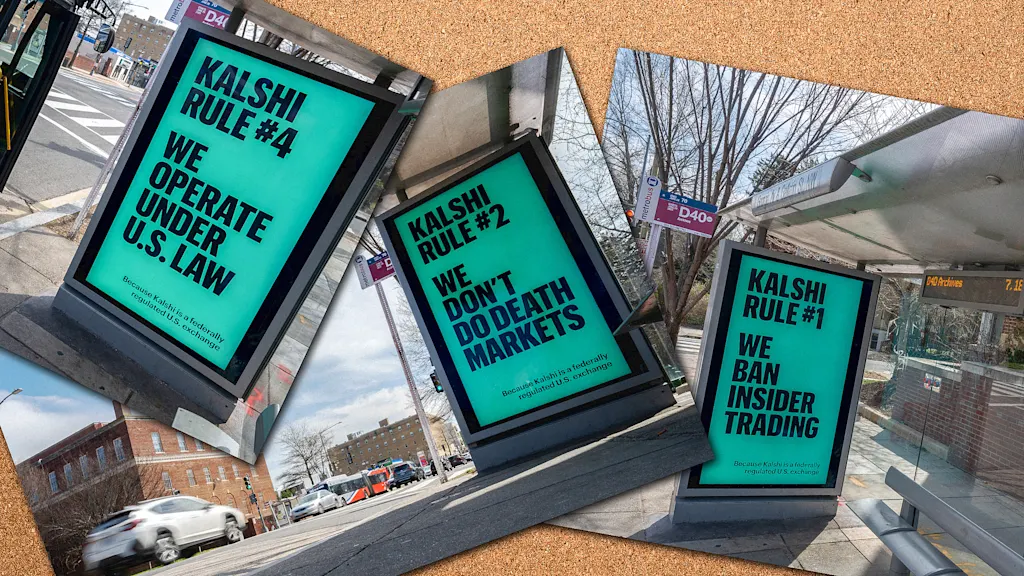
One of the clearest signals comes from platforms like Kalshi.
Following recent developments, Kalshi is increasingly positioning itself as a regulated event-driven trading venue rather than a betting platform. The distinction is subtle, but meaningful. It reflects a broader shift in how prediction markets are being understood—not as fringe experiments, but as a developing financial category.
This change in positioning matters less for its legal nuance and more for what it signals. Prediction markets are gradually being reframed as instruments that can price uncertainty in a structured way, bringing them closer to traditional financial logic.
At the same time, activity across the sector continues to expand, suggesting that this is not just a narrative shift, but a usage-driven one as well.
From Experiment to Market Structure
What's changing is not just scale, but interpretation.
Prediction markets are increasingly being viewed as mechanisms for aggregating distributed information and translating it into price signals. In that sense, they function less like speculative side products and more like tools for expressing expectations about real-world outcomes.
This evolution aligns them with a broader shift already happening across financial markets:
- Markets are no longer limited to assets
- Information itself is becoming something that can be priced
- Participation is expanding beyond traditional financial actors
Prediction markets sit at the intersection of these changes. They extend the idea of markets from “what something is worth” to “what is likely to happen.”
Where Web2 and Web3 Begin to Converge
As the space evolves, two distinct approaches are beginning to take shape, but they are not necessarily in opposition.
Platforms like Kalshi are moving closer to traditional financial infrastructure, with structured products and clearer regulatory alignment. This makes them easier to integrate into existing systems and more accessible to institutional participation.
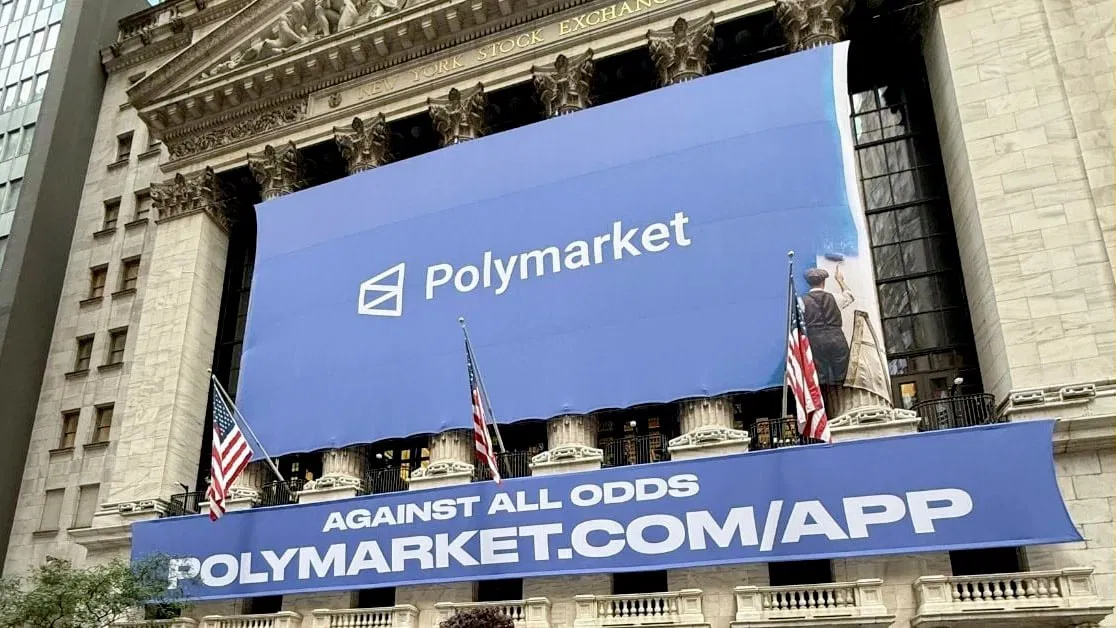
At the same time, crypto-native platforms such as Polymarket continue to expand access through onchain infrastructure. By enabling global participation and stablecoin-based trading, they emphasize openness and flexibility.
Rather than competing for the same space, these models are shaping a broader ecosystem:
- One leans toward integration into existing finance
- The other expands access through decentralized infrastructure
Together, they are accelerating the same underlying trend—making prediction markets more usable, more visible, and more relevant across different user groups.
Why This Matters Now
Timing plays an important role in this renewed attention.The current market environment is increasingly influenced by real-time signals, alternative data, and faster feedback loops. At the same time, users are becoming more comfortable interacting with onchain financial tools, while the industry continues to explore tokenization beyond traditional assets.
In this context, prediction markets feel less like a standalone niche and more like a natural extension of where markets are heading. They fit into a broader shift where financial systems are expanding to include not just assets, but expectations.
Related: Polymarket & Kalshi Are Fighting for Prediction Markets, But Who Really Has the Edge?
What Prediction Market Means for Web3 Users
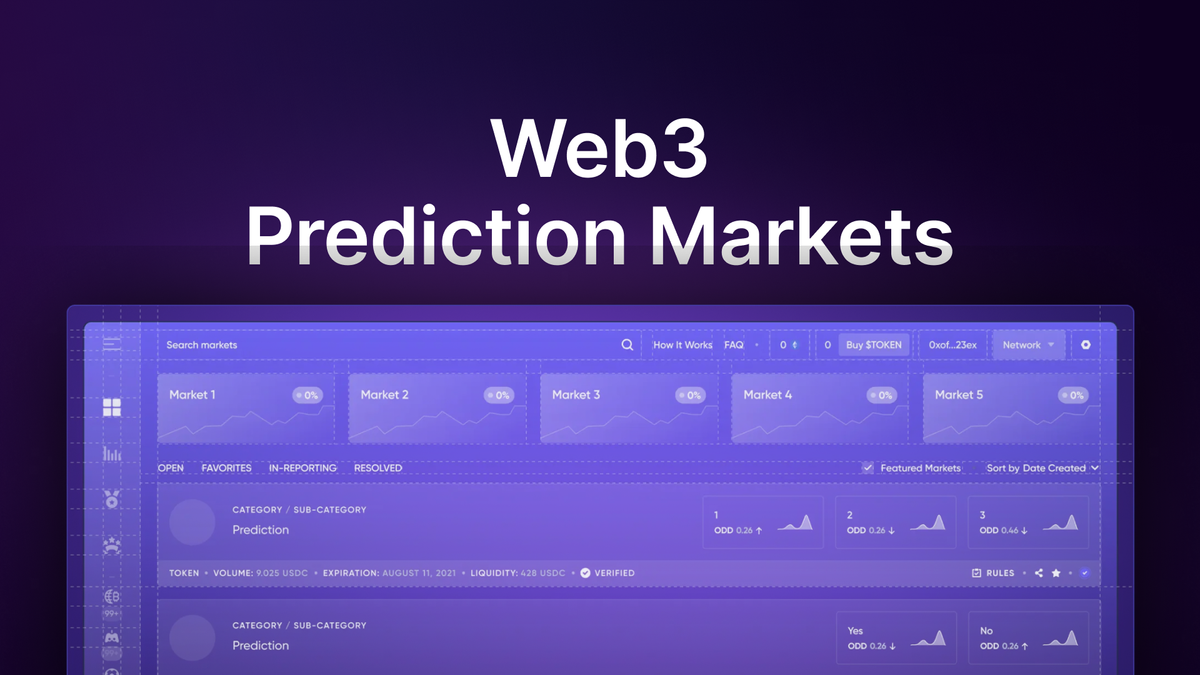
For Web3-native users, prediction markets are not entirely new—they build on familiar patterns such as open access, transparent pricing, and token-based participation. What changes is the underlying unit of trading: instead of assets, the focus shifts to events and outcomes.
At the same time, the increasing presence of more structured platforms suggests that this category is unlikely to remain purely experimental. A hybrid model is beginning to emerge, where different approaches coexist and serve different needs.
This creates a wider range of opportunities, but also requires a clearer understanding of how these markets function and where they fit within a broader portfolio or strategy.
A Market Still Taking Shape
Prediction markets are not new, but their current phase is.
They are moving from concept to usage, from niche to visibility, and from experimentation toward something more structured. The direction is becoming clearer, even if the final form is not.What stands out is not just their growth, but their positioning. Prediction markets are increasingly being treated as a way to interpret the future in real time—through participation, pricing, and collective expectation.
As this shift continues, the way users interact with different types of markets is also evolving. Moving between assets, networks, and emerging financial primitives is becoming part of a more fluid experience, rather than separate, disconnected actions.
In that context, tools that simplify how users access and participate in these markets will play an increasingly important role. This is also where platforms like Cwallet, positioned as a Web3 hub, are beginning to expand their scope—bridging everyday crypto usage with newer market formats, including prediction markets that are gradually being introduced as part of the broader product experience.
Prediction markets may still be defining their final form, but their direction is becoming harder to ignore.
Cwallet: Your All-in-One Gateway to the Digital Economy
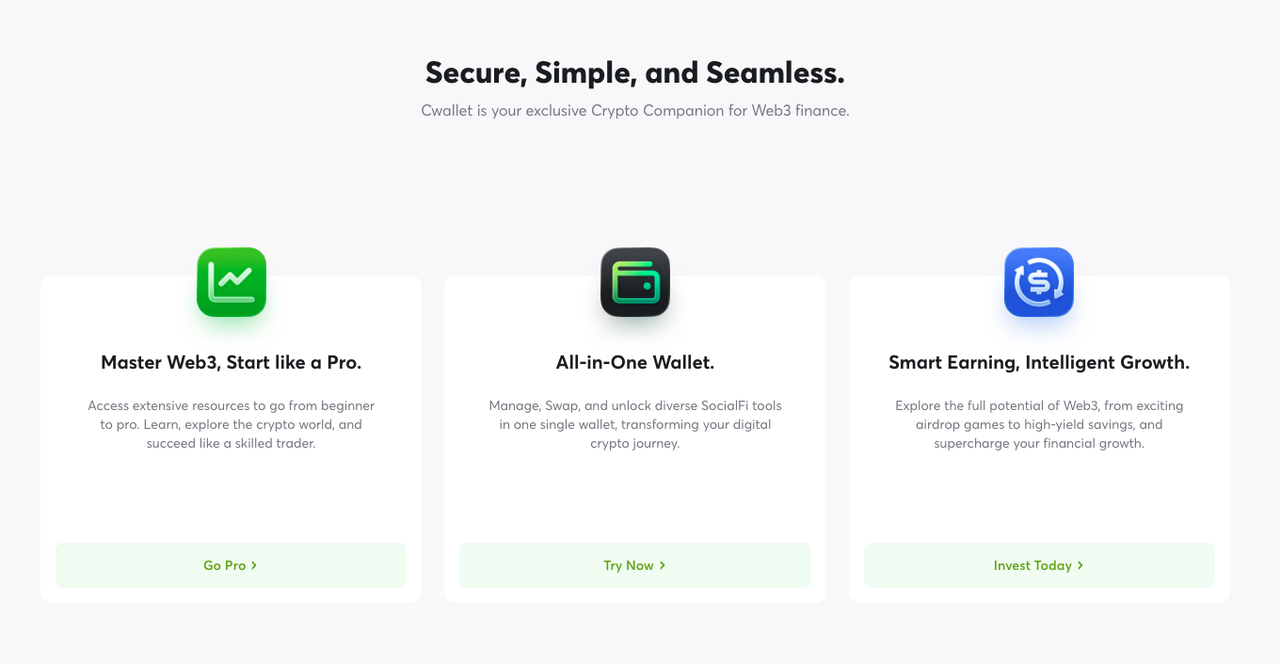
Cwallet is more than a crypto wallet, it is a complete ecosystem designed to make crypto trading accessible, intuitive, and rewarding. It transforms a wallet into your hub for securing assets and exploring market opportunities.
Move beyond simple asset management. Cwallet lets you trade smarter with Spot Trading, including Swap, Memecoins, and xStocks, and Futures Trading such as Perpetual Trading, 1001X, Trend Trade, and Market Battle, all while keeping full control of your assets.Stay connected and share strategies instantly with your friends in Cwallet's built-in IM.
Cwallet also integrates essential crypto services, allowing you to store, swap, and earn from your digital assets. With tools like the Cozy Card, mobile top-ups, and gift cards, digital assets gain real-world utility.Cwallet makes crypto not just a technology for the future, but a practical tool for today!
Join the Community & Earn More
Trade daily, earn more. Cwallet's Telegram and Discord communities host regular trading challenges across Market Battle, Trend Trade, 1001X, and Tap Grid, with extra rewards waiting for active participants.
👉 Join us on Telegram or Discord to participate in ongoing events and claim your rewards.
Official Link
Official Site: https://cwallet.com
X: https://x.com/CwalletOfficial
Disclaimer
This content is strictly for informational and educational purposes only. It does not constitute financial, investment, legal, or tax advice, nor is it an offer or solicitation to buy, sell, or hold any digital asset. Crypto assets involve high volatility and risks, and their value can fluctuate greatly. Readers must be aware of and adhere to the relevant local laws and regulations concerning digital assets in their specific jurisdiction, as product availability may vary. All investment decisions must be based on your own research (DYOR) and risk assessment. Some content herein may be generated or assisted by artificial intelligence (AI) tools. The author and platform assume no liability for investment losses.