Circle's Macro Moment: How Oil, Rates, and Stablecoins Are Colliding in 2026
Circle's recent momentum reflects a deeper surge in stablecoin adoption and crypto liquidity demand.

Key Takeaways
- Circle's recent momentum reflects a deeper surge in stablecoin adoption and crypto liquidity demand.
- Macro factors like oil prices and interest rate expectations are directly influencing stablecoin economics.
- Stablecoins are no longer just trading tools, they are evolving into core infrastructure for crypto finance.
Circle's Growth Is Telling a Bigger Story
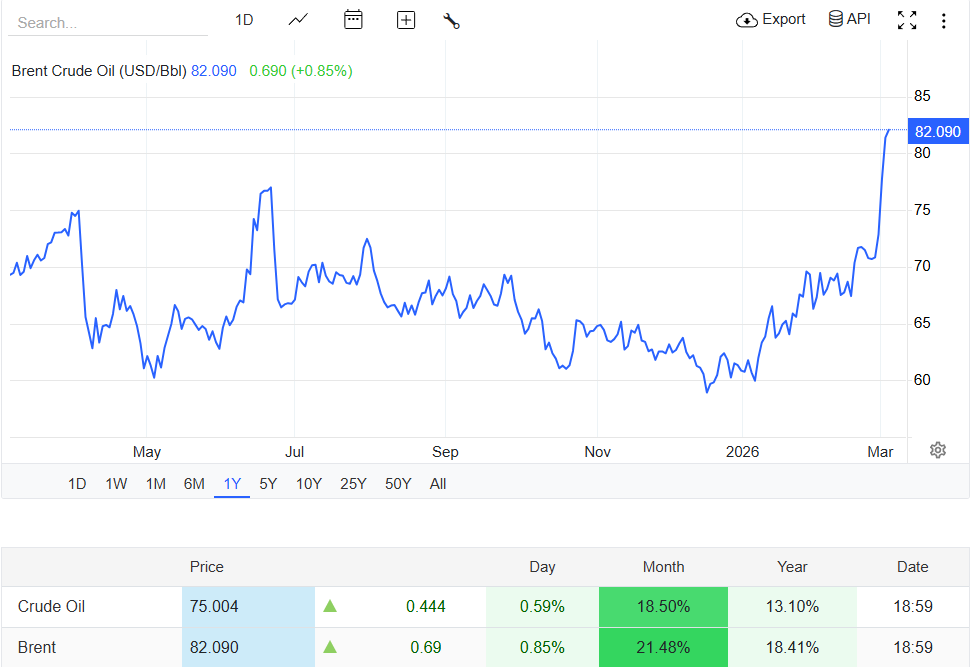
In early 2026, renewed analyst attention on Circle has pushed stablecoins back into the spotlight. Rising oil prices, shifting rate expectations, and geopolitical tensions have unexpectedly supported the economics behind stablecoin issuers.At first glance, this may look like a stock market story. But it is actually something much bigger.
Circle's momentum reflects a structural shift: stablecoins are becoming foundational infrastructure in crypto finance, not just a temporary liquidity tool.
When analysts raise price targets tied to stablecoin reserve income and trading activity, it signals that stablecoins are now deeply connected to macroeconomic forces. That connection did not exist at this scale just a few years ago.
The Stablecoin Model Is Now Macro-Sensitive
The economics of stablecoins, especially fiat-backed ones like USDC, depend heavily on reserve management. These reserves are typically held in short-term government securities and cash equivalents.
When oil prices rise and inflation expectations increase, central banks may delay interest rate cuts. Higher or sustained rates translate into stronger yield on reserve assets. That, in turn, strengthens revenue models for issuers like Circle.
This dynamic highlights an important shift:
Stablecoins are no longer isolated crypto instruments. They are financial products that react to global macro conditions, interest rate cycles, and capital flows.In other words, stablecoin growth is now part of the broader financial system conversation.
Stablecoins as the Liquidity Engine of Crypto Markets
Beyond issuer economics, stablecoins have become the dominant settlement layer for digital assets.
Today, stablecoins are used for:
- Spot trading pairs across major exchanges
- Derivatives collateral and margin
- DeFi lending and liquidity pools
- Cross-chain transfers
- Cross-border crypto payments
Most crypto transactions are now denominated in stablecoins rather than fiat currencies. That alone makes them the backbone of crypto liquidity.
As adoption expands, stablecoins serve three key roles:
1. Liquidity Anchor
They allow traders to move capital efficiently without exiting the crypto ecosystem.
2. Volatility Buffer
During market swings, capital often rotates into stablecoins before redeploying.
3. Settlement Infrastructure
They act as the medium of exchange for decentralized and centralized platforms alike.
Circle's recent momentum is not just about corporate performance. It reflects the increasing reliance of the entire crypto market on stablecoin rails.
From Disruption to Integration
Crypto originally aimed to bypass traditional finance. But stablecoins reveal a more nuanced evolution.
Rather than eliminating traditional finance, stablecoins are integrating with it.
They rely on:
- Bank partnerships
- Treasury reserves
- Regulatory oversight
- Institutional custodial infrastructure
This integration is not necessarily a weakness. In fact, it may be the reason stablecoins have achieved scale.
By bridging blockchain efficiency with traditional financial credibility, stablecoins like USDC have positioned themselves as hybrid instruments. They operate within both worlds simultaneously.
This hybrid nature is precisely why stablecoins are gaining mainstream recognition and institutional coverage.
What This Means for Crypto Market Structure in 2026
The rise of Circle and stablecoin adoption signals three broader shifts in crypto finance:
Crypto Is Becoming More Liquidity-Driven
Instead of pure speculation, capital flows now revolve around stablecoin positioning, liquidity management, and yield dynamics.
Macro Narratives Matter More
Oil prices, inflation expectations, and central bank policy now influence crypto infrastructure economics, not just token prices.
Infrastructure Is the Real Growth Story
While token volatility attracts attention, the quieter expansion of stablecoin infrastructure may have deeper long-term implications.In many ways, stablecoins are doing for crypto what clearing systems did for traditional markets: enabling scale.
💡Recommend: Why Stablecoins Are Becoming the Backbone of Crypto Finance in 2026?
Where Cwallet Users Fit Into This Shift
As stablecoins grow in importance, everyday crypto participants interact with them more frequently, often without realizing their central role.
Crypto traders rely on stablecoins to:
- Hold liquidity between trades
- Move funds across platforms
- Manage risk during volatility
- Access DeFi and yield opportunities
- Facilitate global payments
Managing stablecoin exposure efficiently becomes increasingly important in a macro-sensitive environment.
Platforms like Cwallet provide tools that allow users to hold, send, swap, and manage stablecoins alongside other digital assets in a unified interface. When liquidity flows shift quickly, having visibility and flexibility over stablecoin holdings can reduce friction and improve capital efficiency.
The goal is not speculation. It is control and clarity in a market where infrastructure increasingly matters.
The Bigger Question
The renewed focus on Circle is not just about corporate valuation. It raises a larger question:If stablecoins continue to grow at this pace, will they become the primary settlement layer not only for crypto, but for parts of global digital finance?
In 2026, stablecoins are no longer a niche product. They are:
- Macro-influenced financial instruments
- Institutional-grade liquidity tools
- Core components of crypto market structure
Circle's trajectory offers a glimpse into this transformation.
Stablecoins are not just supporting crypto markets anymore.They are quietly defining how crypto finance works.
Cwallet: Your All-in-One Gateway to the Digital Economy
Cwallet is more than a crypto wallet, it is a complete ecosystem designed to make crypto trading accessible, intuitive, and rewarding. It transforms a wallet into your hub for securing assets and exploring market opportunities.
Move beyond simple asset management. Cwallet lets you trade smarter with Spot Trading, including Swap, Memecoins, and xStocks, and Futures Trading such as Perpetual Trading, 1001X, Trend Trade, and Market Battle, all while keeping full control of your assets.
Stay connected and share strategies instantly with your friends in Cwallet's built-in IM.
Cwallet also integrates essential crypto services, allowing you to store, swap, and earn from your digital assets. With tools like the Cozy Card, mobile top-ups, and gift cards, digital assets gain real-world utility.
Cwallet makes crypto not just a technology for the future, but a practical tool for today!
Official Link
Official Site: https://cwallet.com
X: https://x.com/CwalletOfficial
Disclaimer
This content is strictly for informational and educational purposes only. It does not constitute financial, investment, legal, or tax advice, nor is it an offer or solicitation to buy, sell, or hold any digital asset. Crypto assets involve high volatility and risks, and their value can fluctuate greatly. Readers must be aware of and adhere to the relevant local laws and regulations concerning digital assets in their specific jurisdiction, as product availability may vary. All investment decisions must be based on your own research (DYOR) and risk assessment. Some content herein may be generated or assisted by artificial intelligence (AI) tools. The author and platform assume no liability for investment losses.