What Is PEPE Coin? Tokenomics, Popularity, and Risks
PEPE is one of those tokens that people often hear about on social media before they understand what it actually is. It doesn't promise faster block times or groundbreaking technology, yet it has captured massive attention in the crypto market.
So why do memecoins like $PEPE become popular, and what should beginners really know before getting involved?
What is PEPE, and Why Is It Called a Meme Coin?
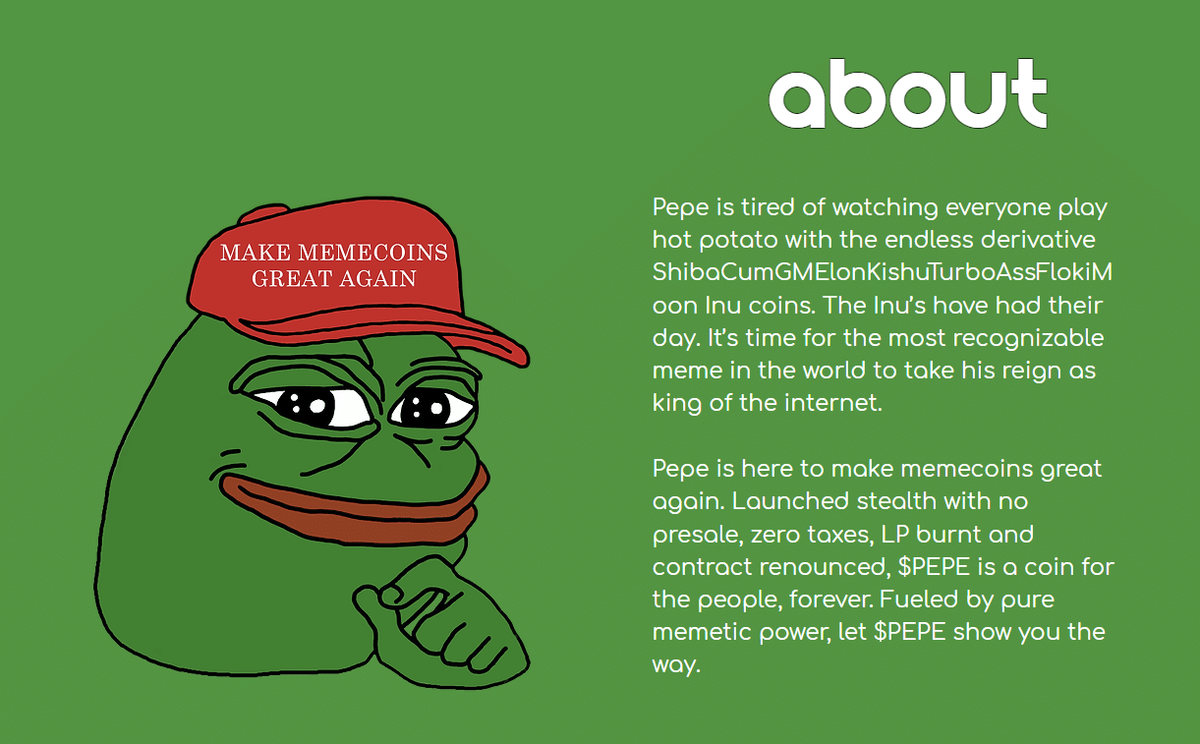
PEPE is an Ethereum-based meme coin inspired by Pepe the Frog, a widely recognized character from internet culture. It was launched anonymously without a presale and adopted a zero-tax policy, helping it attract attention from crypto communities shortly after its release.
Unlike utility-focused cryptocurrencies, PEPE was not created to power a blockchain, provide staking rewards, or govern a decentralized protocol. It is primarily a community-driven token whose popularity and market value are influenced by online trends, social sentiment, and speculative demand.
As an ERC-20 token, PEPE follows Ethereum’s token standard and can be transferred or stored using wallets that support Ethereum-based assets. Its combination of recognizable meme culture, community participation, and rapid social media exposure helped it stand out in the crowded memecoin market.
👀 Related: Why Dogecoin and PEPE Are Leading a Powerful Memecoin Rally in 2026
Why Did PEPE Become So Popular?
PEPE gained attention by connecting cryptocurrency speculation with an already well-known internet meme. Its recognizable identity made it easy to share across social platforms, while growing community activity and listings on major trading platforms increased its visibility.
Unlike projects built around technical features or long-term development roadmaps, PEPE relies heavily on community interest and market momentum. This can create rapid price movements when attention increases, but it also means demand may fall quickly when market sentiment changes.
PEPE’s popularity demonstrates how culture and online communities can influence crypto markets, but it does not remove the volatility and speculative risks associated with memecoins.
PEPE Tokenomics: What Beginners Should Know
PEPE's tokenomics are designed to support wide circulation and community participation rather than scarcity.
- Large Supply: PEPE has a very large total supply, which keeps the individual token price low.
- No Intrinsic Utility: PEPE does not provide staking, governance, or protocol-level functions.
- Market-Driven Value: The token’s price is mainly driven by demand, hype, and community activity.
- High Volatility: Like most memecoins, PEPE can experience sharp price swings in short periods.
For beginners, it's important to understand that PEPE is considered a high-risk, speculative asset.
How to Buy PEPE on Cwallet
If you're curious about PEPE, Cwallet makes it easy to access and manage the token.
You can buy PEPE using Buy Crypto, or exchange other assets for PEPE through Swap.


For users interested in price movements, Cwallet also supports Spot Trading for PEPE pairs. This allows you to buy, sell, or hold PEPE while keeping track of market changes in one place.
Before jumping in, it's always a good idea to understand what you're trading, so let's do a quick check 👇

Quick Check-In
1. What best describes PEPE?
A) A utility token with staking rewards
B) A governance token
C) A meme coin driven by community and market sentiment ✅
D) A stablecoin
2. Which blockchain is PEPE built on?
A) Solana
B) TRON
C) Ethereum ✅
D) BNB Chain
3. What is an important risk of trading PEPE?
A) High transaction fees
B) Limited supply
C) Price volatility driven by hype ✅
D) Slow transaction speed
PEPE shows how community and internet culture can influence crypto markets. For beginners, understanding what a meme coin is—and the risks involved—is essential before trading or holding tokens like PEPE.
Disclaimer: The information in this article is for educational purposes only and does not constitute financial advice, investment advice, trading advice, or any other sort of advice. High-leverage trading involves substantial risk of loss and is not suitable for every investor. Please perform your own due diligence and never invest money that you cannot afford to lose.